Have you heard? Women ages 20-60 are now eligible to enroll!
Our Team
VOICES is led by a team of Black women scientists, community leaders, and the American Cancer Society, bringing together a national network of researchers committed to centering Black women’s experiences in research that advances health equity.
VOICES of Black Women Study Leadership Team
The Study Leadership Team is responsible for the day-to-day operations of the study, from recruiting new participants to supporting you to complete your regular surveys.
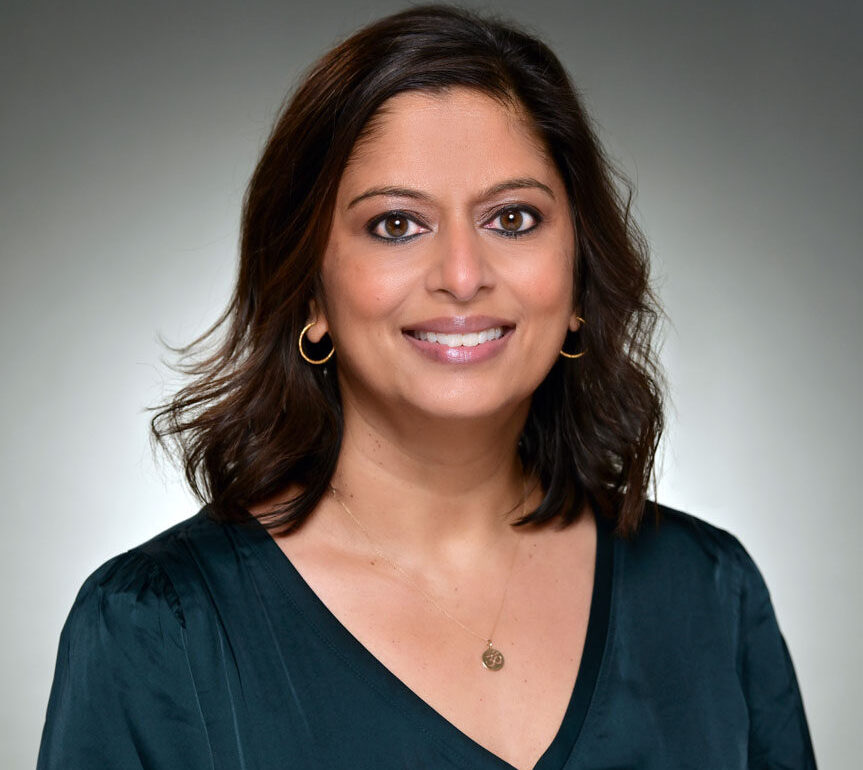
Alpa V. Patel, PhD, MPH
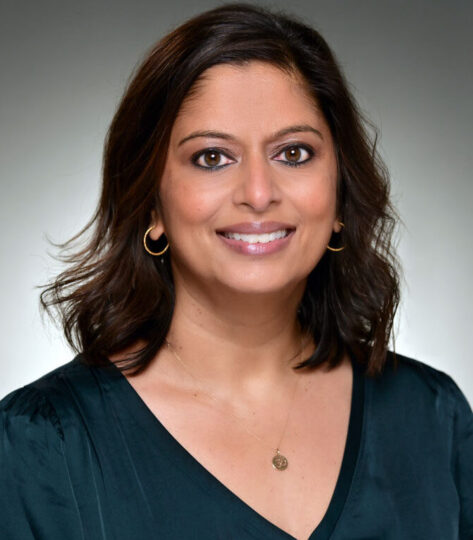
I’ve been working in cancer research for nearly three decades and we’ve learned a lot about what impacts cancer risk for everyone – things like not smoking, exercising, and eating a healthy diet. But it’s clear that there are unique lived experiences in different populations that contribute to cancer risk and outcomes. That is why I am so proud to be part of the team that launched an ambitious study like VOICES which will be essential to improving outcomes for Black women who have so often been underrepresented in research.
Dr. Patel is the co-Lead Investigator for VOICES of Black Women. She studies cancer prevention, focusing on how physical activity, sedentary behavior, and obesity affect the risk of developing or dying from cancer. She also serves as the principal investigator of the ACS Cancer Prevention Studies (CPS), CPS-II and CPS-3, which are among the country’s largest population cohort studies. She provides strategic and operational oversight for the studies, including their biospecimen and data management.
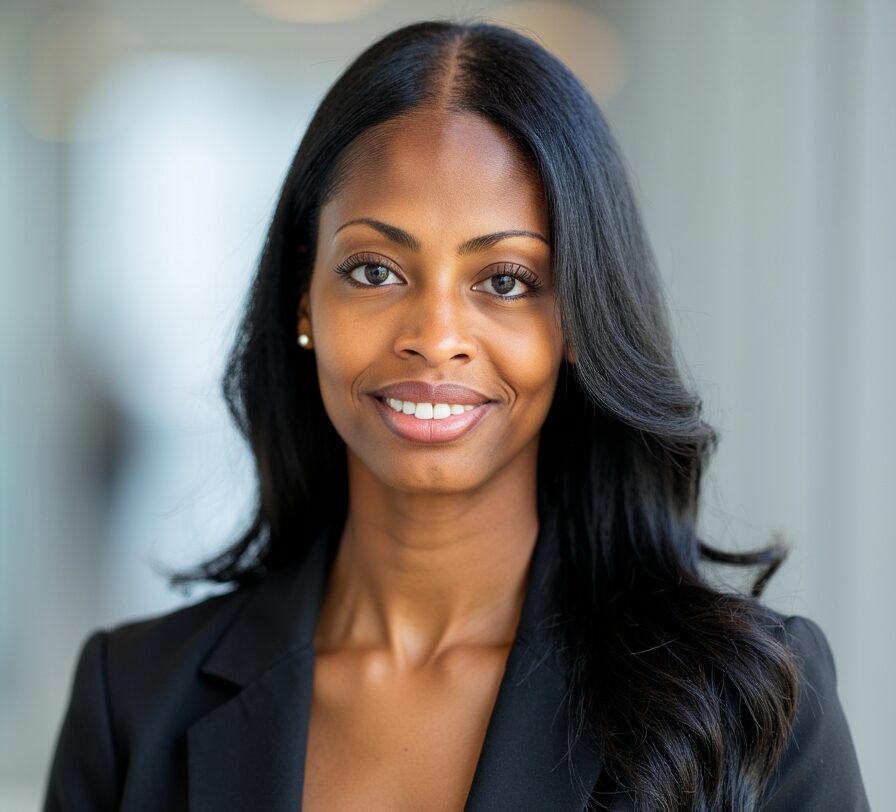
Lauren E. McCullough, PhD, MSPH
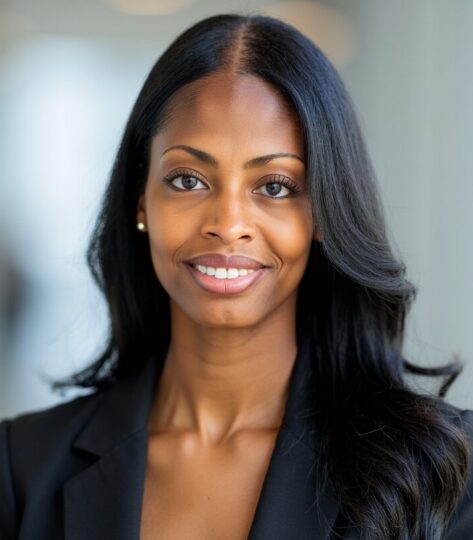
Personal loss and longstanding inequities in cancer outcomes shaped my commitment to improving prevention and care for Black women. I am motivated by the need for research that is rooted in trust, representation, and lived experience to meaningfully close these gaps.
Dr. McCullough is the co-Lead Investigator for VOICES of Black Women. Her role at ACS is to contribute to the growth and diversity of ACS cohorts and lead scientific efforts in breast and GYN cancers, social epidemiology, and outcomes research. Her primary research interests are in cancer outcome disparities. Her research goals are to improve cancer prognosis in marginalized populations using a multi-level approach to identify targets for pharmacologic, behavioral, and policy intervention.
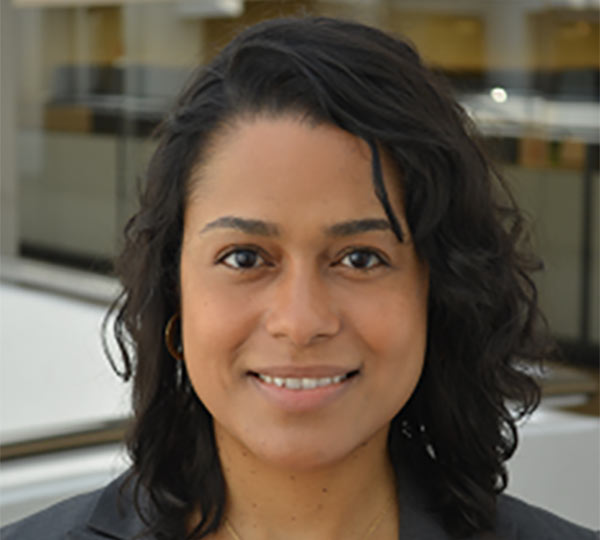
Elizabeth G. Kirkland, MPH
As a Black woman, a Spelman graduate, and an epidemiologist who has spent my career in population research, working on VOICES of Black Women is deeply personal to me. With cancer touching my own family, contributing to a study that centers, protects, and uplifts the health of Black women feels like both a responsibility and an honor.
Elizabeth leads quantitative data collection for the VOICES of Black Women cohort and brings extensive experience in population‑based research to the American Cancer Society. As a Senior Scientist, she manages a team of three—two supporting survey design, data collection, and processing for CPS‑3 and VOICES, and one leading qualitative development and analysis for VOICES—while overseeing key study management and statistical activities across the American Cancer Society’s cohort studies.
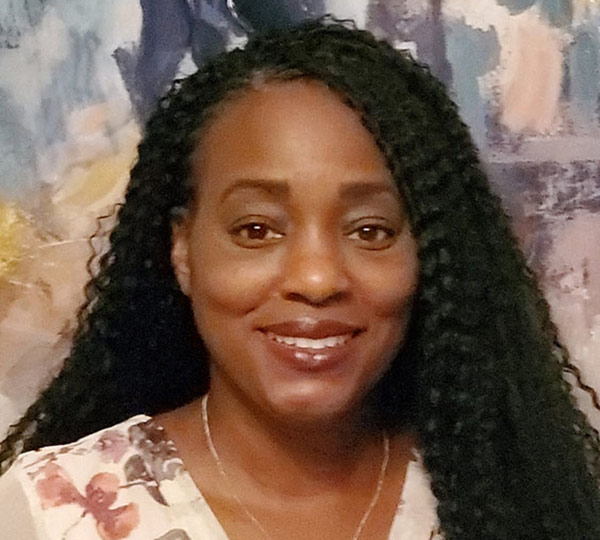
Jeuneviette E. Bontemps-Jones, MPH
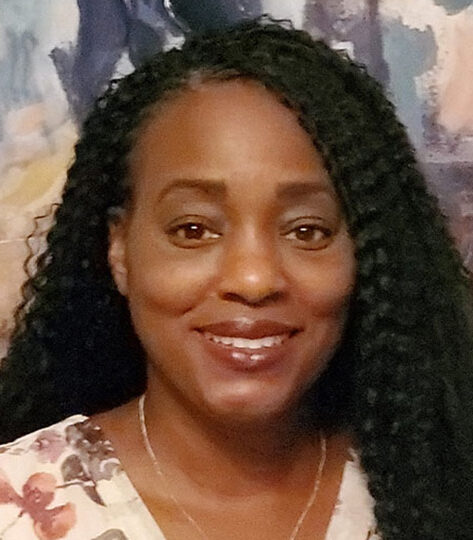
Working on VOICES is important to me because it’s my opportunity to contribute to research that will have a profound and lasting impact on the lives of Black women, including myself. VOICES is so much more than just a study; it’s now a part of our story.
Jeuneviette leads efforts around qualitative data collection in the VOICES of Black Women. She began her career at ACS in the Behavioral Research Center managing studies and conducting study evaluations in the areas of tobacco control, social support, and health equity.
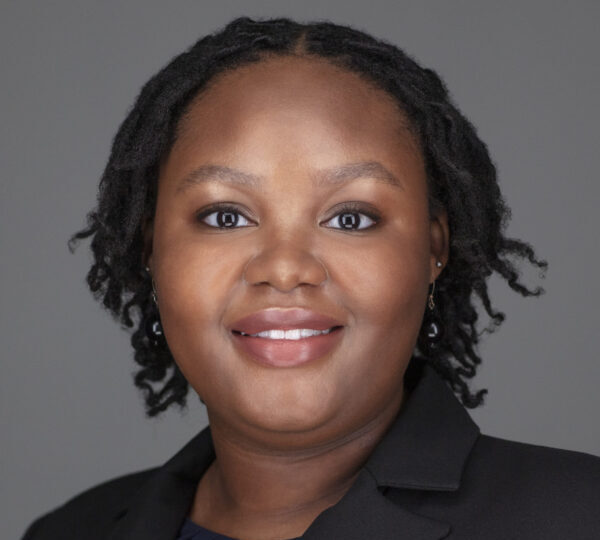
Dannelle Charles, MPH

As a researcher, I know the impacts of health disparities among Black women, and as a Black woman, I’ve experienced those disparities. It is important that longitudinal studies on Black women’s health are being done by a team of majority Black women.
Dannelle supports both quantitative and qualitative data collection for the VOICES of Black Women study. This involves updating, creating, and managing datasets from the VOICES surveys, assisting in the data processes, and analyzing open ended survey questions. She has done previous research centered around understanding and bridging the gaps of care among Black women in both maternal/reproductive health and cancer.
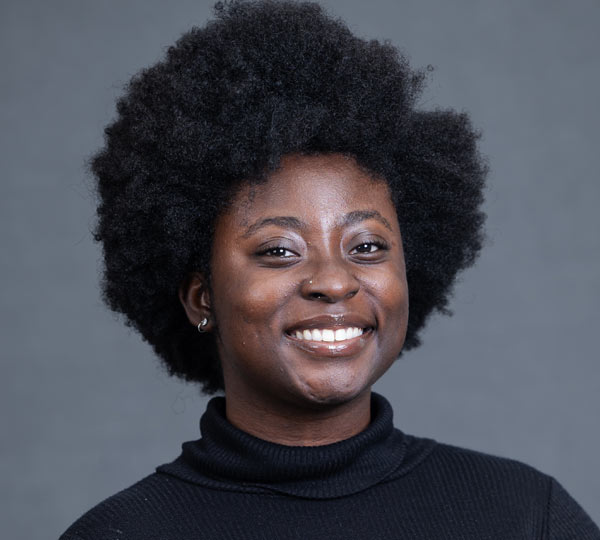
Eunice Larbi, MPH

Getting to work on something that could change the lives of generations of women who look like me is a dream come true. Working on VOICES makes me feel like I’m doing my part to fight for the lives of my community.
Eunice leads community-based research engagement for the VOICES of Black Women. This involves working with the research and outreach teams on equity-minded study design, marketing, and participant recruitment. She has done previous research in behavioral health and health equity, and her current research interests include cancer disparities, implementation science, and behavioral health.
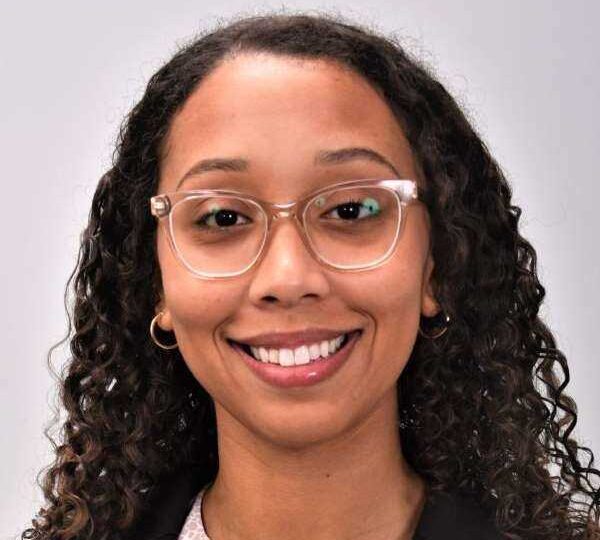
Jessica Clark, MPH
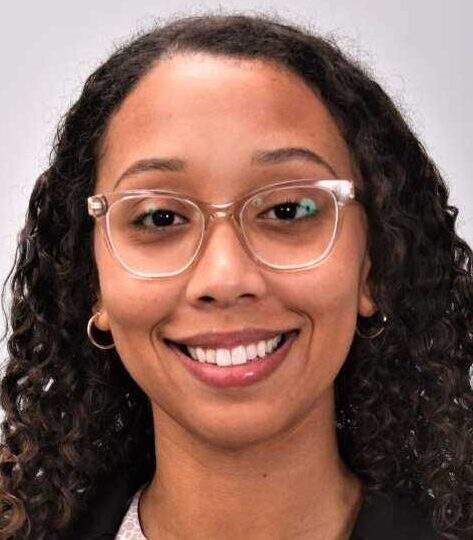
Working on VOICES is important to me because Black women need to be heard and seen. Our voices and experiences matter.
Jessica leads study coordination efforts for the VOICES of Black Women Study. This involves working with volunteers and Ambassadors to support recruitment efforts. She has previous experience supporting community-based research focused on health equity in Atlanta, GA. She also has experience building mutually beneficial relationships between public health organizations.

Kaela Jolibois, MPH

I want to see myself and my community reflected in health research and recommendations. Supporting this work gives me hope that as Black women, our stories and experiences will finally drive the changes we deserve for cancer outcomes and beyond.
Kaela leads outreach and partnership development for the VOICES of Black Women Study. This includes building relationships with partner organizations, supporting the implementation of recruitment activities, and coordinating grant-related programming. She has previous experience in strategic health communications and has conducted research focused on improving Black women’s maternal health outcomes.
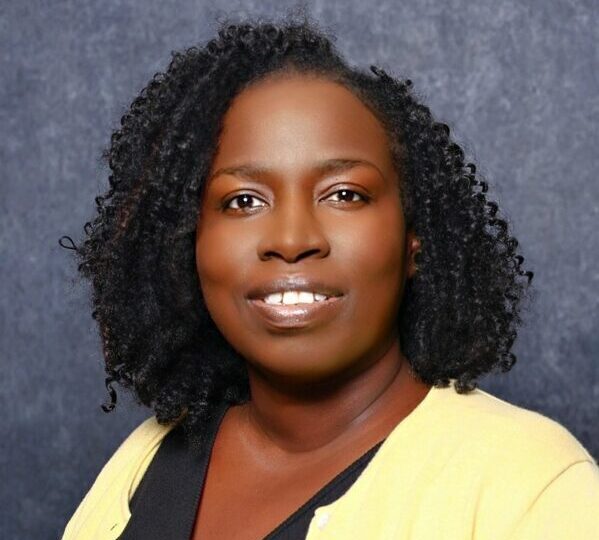
Tiffany Patterson, MPH
VOICES lets me pour hope into the future my daughter will inherit. As a Black immigrant woman, I want her and every Black girl to have access to better health and the equitable care we’ve always deserved. Sharing my VOICE feels like one small way I can help make that happen.
Tiffany works directly with VOICES of Black Women participants and brings years of experience in both hospital and research settings. As a Scientist, she leads a team dedicated to developing clear, engaging, and culturally responsive communications for the study. Her team creates content for e‑newsletters, survey and sub‑study invitations, webinars, and personalized responses to participant inquiries. She also provides strategic oversight for all engagement initiatives across the Cancer Prevention Study-3 (CPS‑3) cohort.
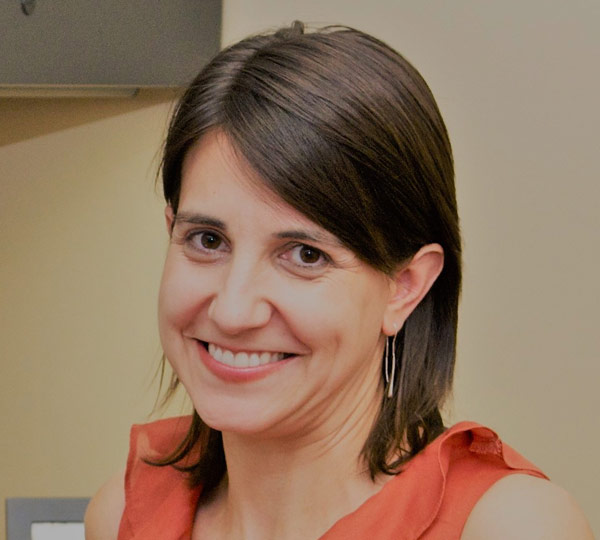
Lauren R. Teras, PhD, MPH
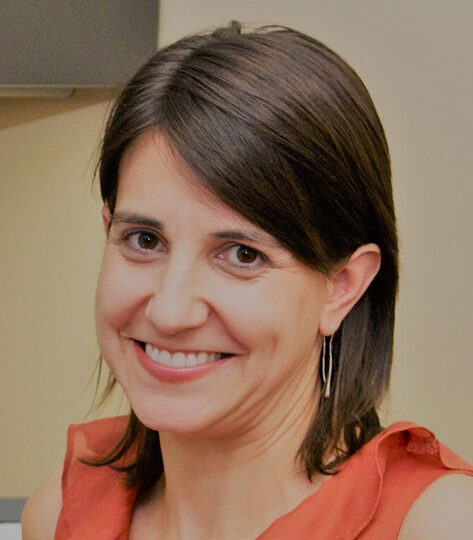
A world where we can end cancer as we know it, for everyone, is only possible when research reflects the voices and experiences of those long left out. This study allows us to generate the evidence needed to help ensure Black women have the opportunity to prevent, detect, treat, and survive cancer—moving us closer to a more equitable future.
Dr. Teras is a member of the Scientific Leadership team for VOICES of Black Women. She leads the breast and hematologic cancer research portfolios for the Department of Population Science. Her work focuses on the causes and prevention of these cancers, particularly aggressive subtypes like triple negative breast cancers and multiple myeloma. She is also interested in understanding the ways in which the screening, diagnosis, and risk of these cancers disproportionately impact men and women of color and how to correct these health inequities.
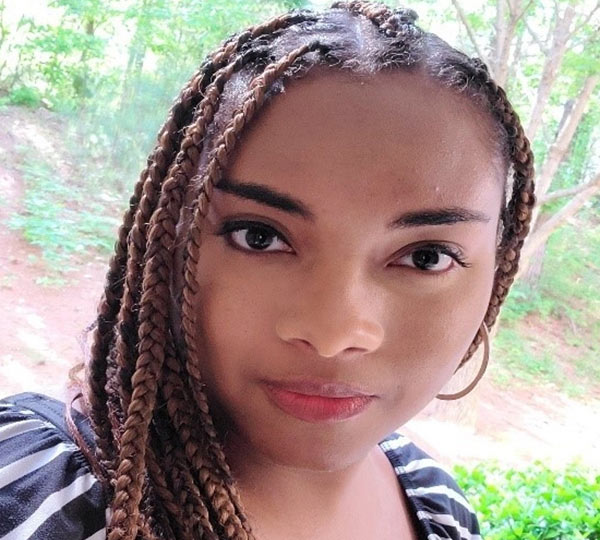
Jeshondria McCrary, BS
Working with VOICES is important to me because it allows me the chance to impact the health of the next generation of Black women. I’m thankful for the opportunity to help join together a community of like-minded Black women who seek change and understanding.
Jeshondria provides operational and communication support for the VOICES of Black Women study. Jeshondria began her career at ACS leading work to resolve of discrepant National Death Index records for the Cancer Prevention Study-II. She then led daily operations for the Cancer Prevention Study-3 Accelerometry substudy including enrollment, protocol updates, and logistics. She now focuses on leading the Operations team within Population Science to support department work such as the Blood Substudy for CPS-3 and VOICES.
Holly Vins, MPH
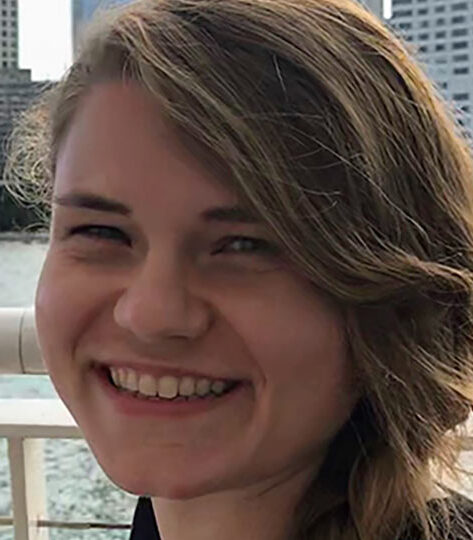
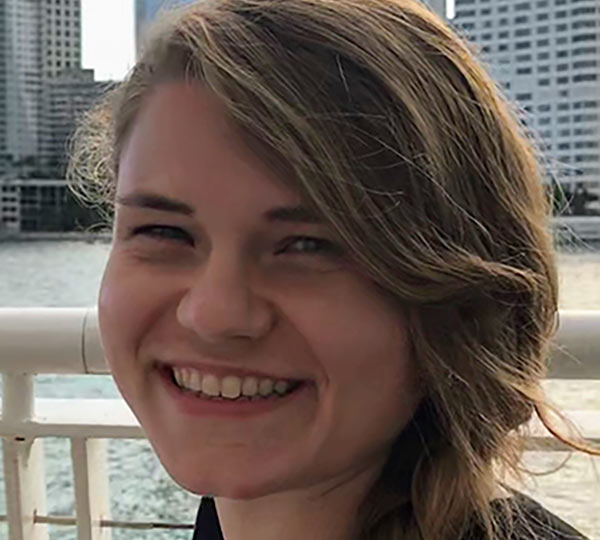
As a cancer survivor, I know how frightening a diagnosis can be and how important research‑guided treatment was in my own recovery. I’m grateful to use my skills and experiences to support the VOICES of Black Women study so that if a Black woman also hears the words “you have cancer,” she has the same opportunity to survive and thrive that I did.
Holly Vins leads biospecimen management for the VOICES of Black Women study. Her primary focus is overseeing the collection, storage, and analysis of biological samples from American Cancer Society cohort study participants. Serving as a key connection point among internal investigators, external collaborators, laboratories, and the biorepository, Holly ensures that every specimen is handled appropriately and with the highest scientific and operational rigor.
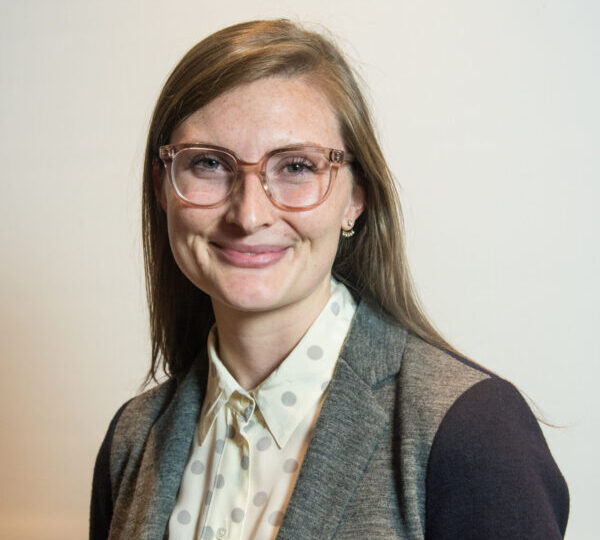
Maddison Hall, MPH
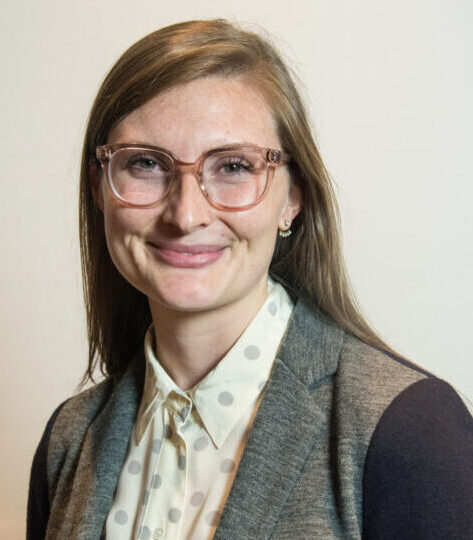
I’ve dedicated my career to health equity, and I am honored that my role at the American Cancer Society allows me to contribute to this historic effort to improve the health of Black women.
Maddison leads program management for the Population Science department, including project management for the VOICES of Black Women study. In this role, she helps manage study planning efforts and the team leading study recruitment. She also liaises with external partner organizations who support VOICES recruitment and with the many different departments across the American Cancer Society involved in VOICES, including marketing and communications and information technology.
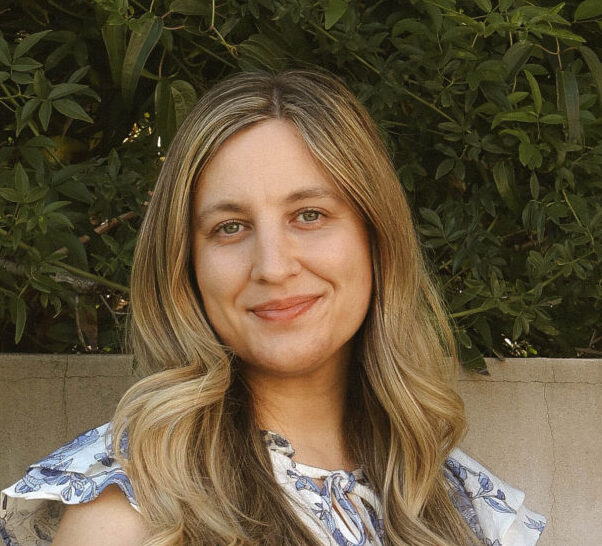
Participant Communications Team
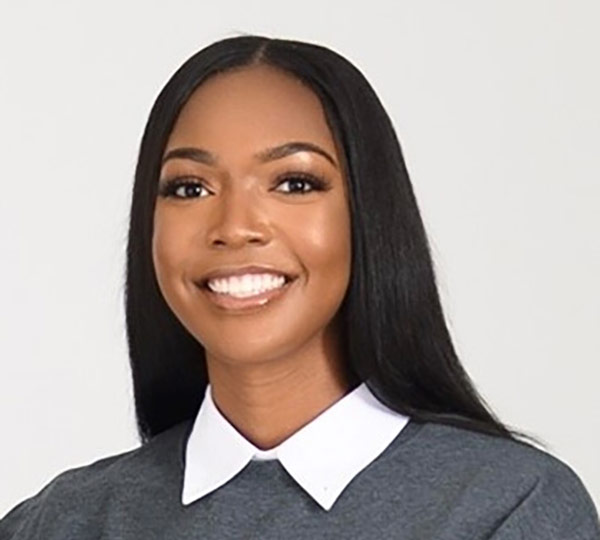
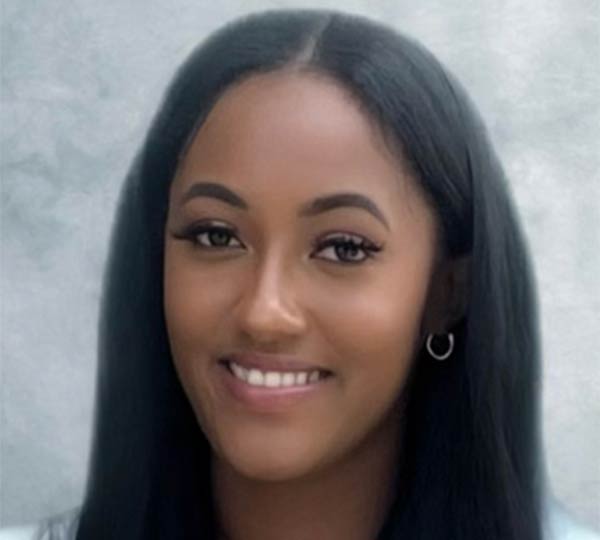
When you call or email us, our Communications team, led by Tiffany Patterson, is ready to help.
Scientific Advisory Board
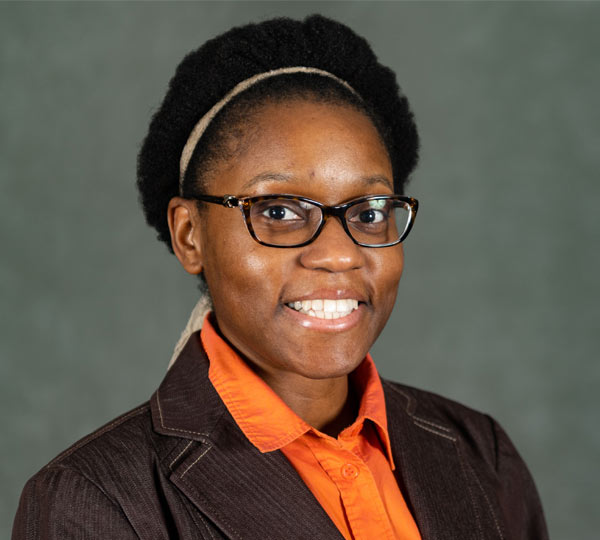
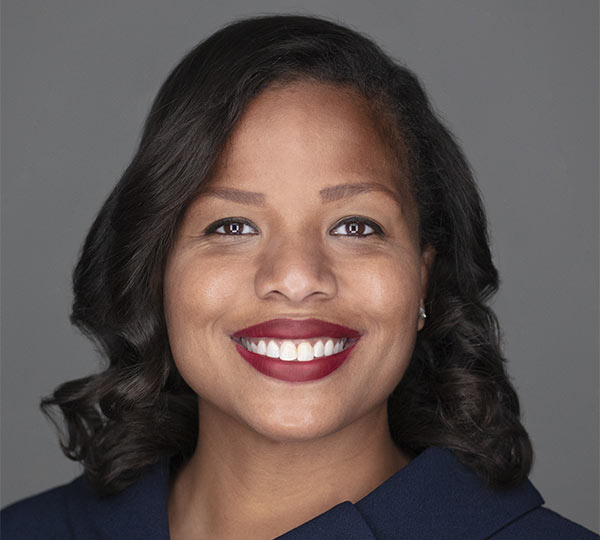
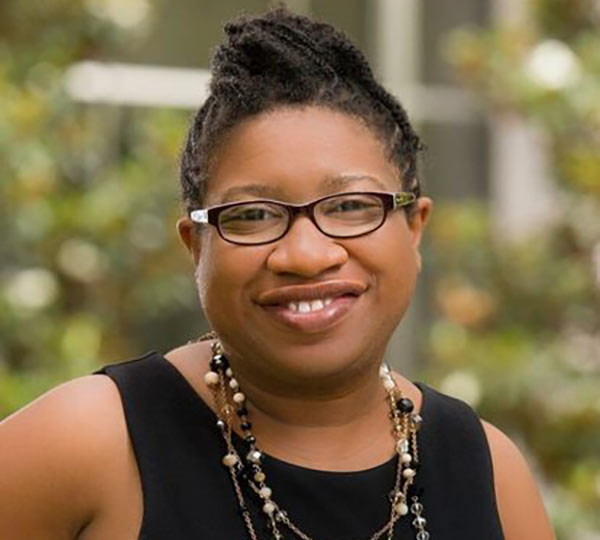
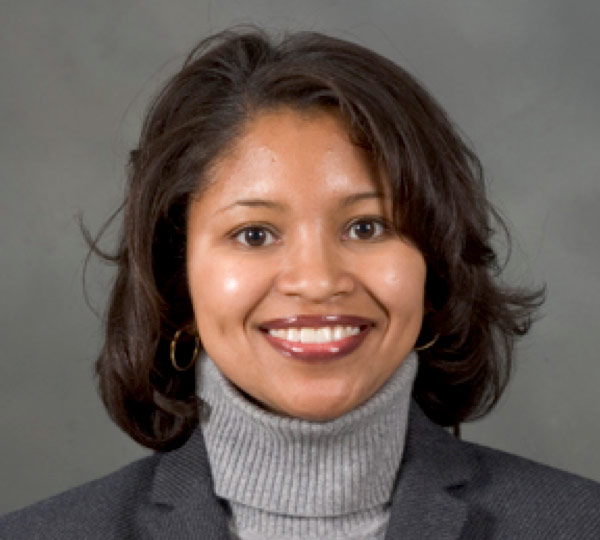
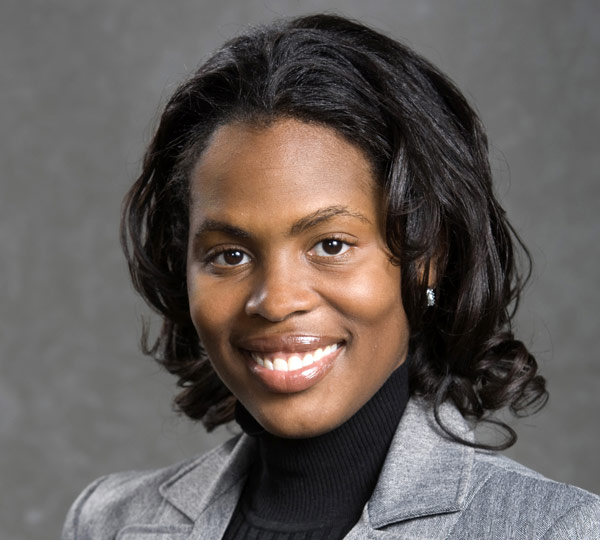
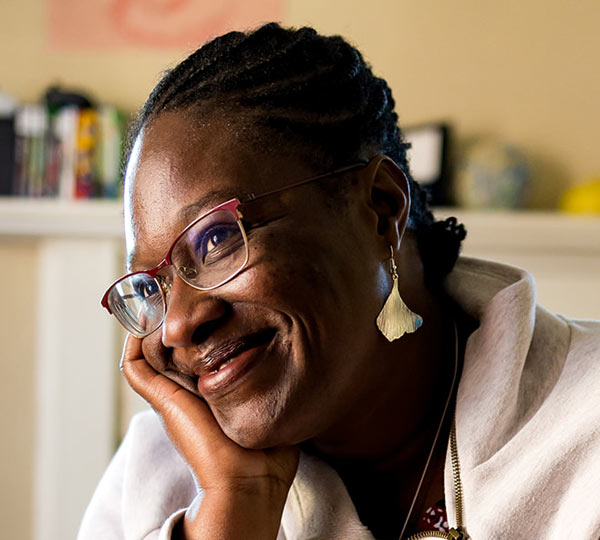
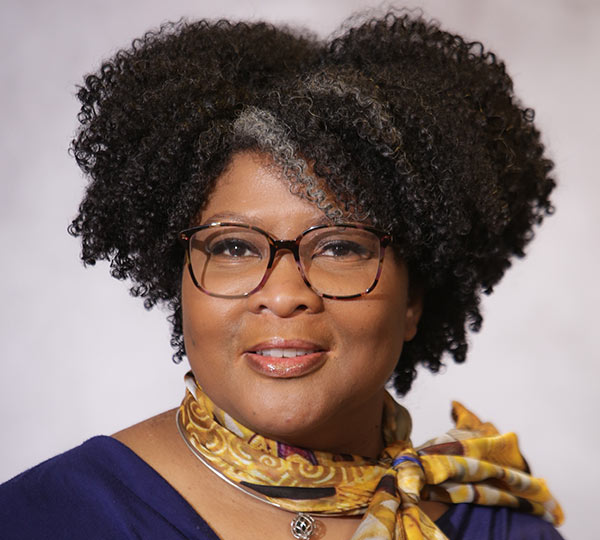
The Scientific Advisory Board, or SAB, is a team of cross-disciplinary experts in Black women’s health that provides insights and guidance to strengthen our study.


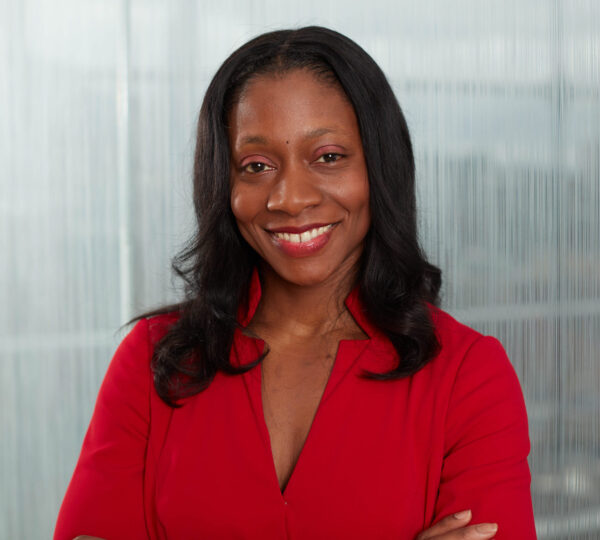
Previous SAB Members
Community Advisory Board
The Community Advisory Board, or CAB, is a group of trusted community leaders representing different facets of the Black community to ensure outreach efforts are community-centered and culturally responsive.
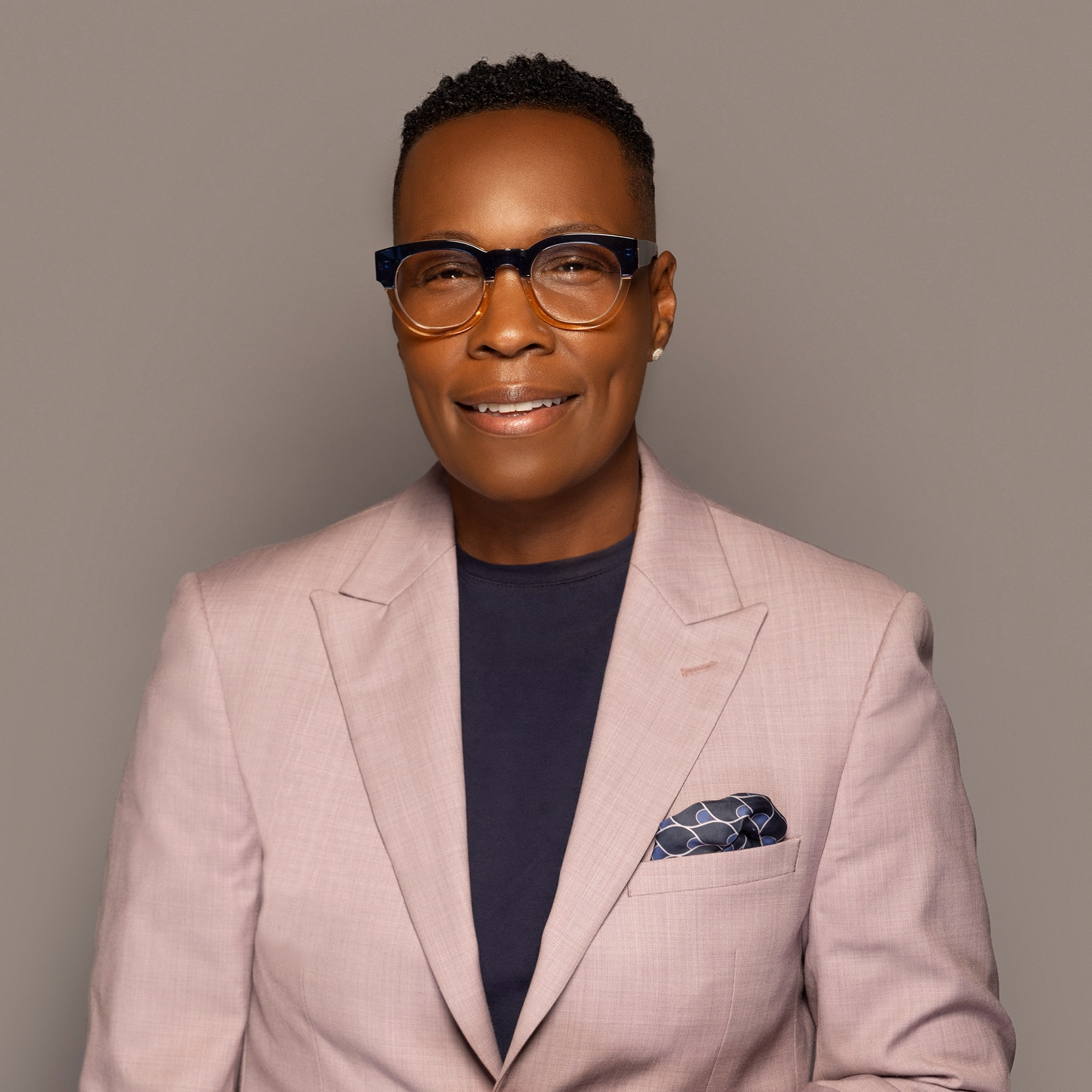
Lisa Cunningham
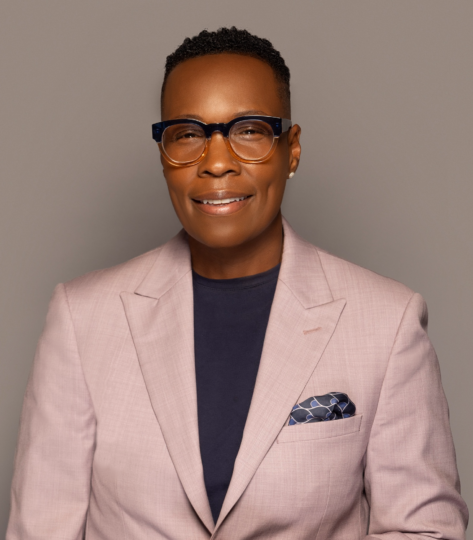
I’ve spent my career using storytelling to move people. VOICES is asking Black women to tell our own story through research, and I couldn’t say no to that. Our experiences aren’t a footnote, they’re the starting point.
Lisa Cunningham is an award-winning marketing executive, filmmaker, and health equity strategist who spent more than 25 years in entertainment before turning her storytelling toward public health. She is the founder and principal of Cunningham Creative and previously served as Executive Vice President of Marketing and Communications at the Black Women’s Health Imperative, where she led national campaigns to improve the health and well-being of Black women. She directed the award-winning documentary Me. Period., featuring Tabitha Brown and Sheryl Lee Ralph, which is changing how Black families talk about menstrual and reproductive health. Whether through film, campaigns or community conversations, her mission is the same: meeting women where they are with information they can trust.
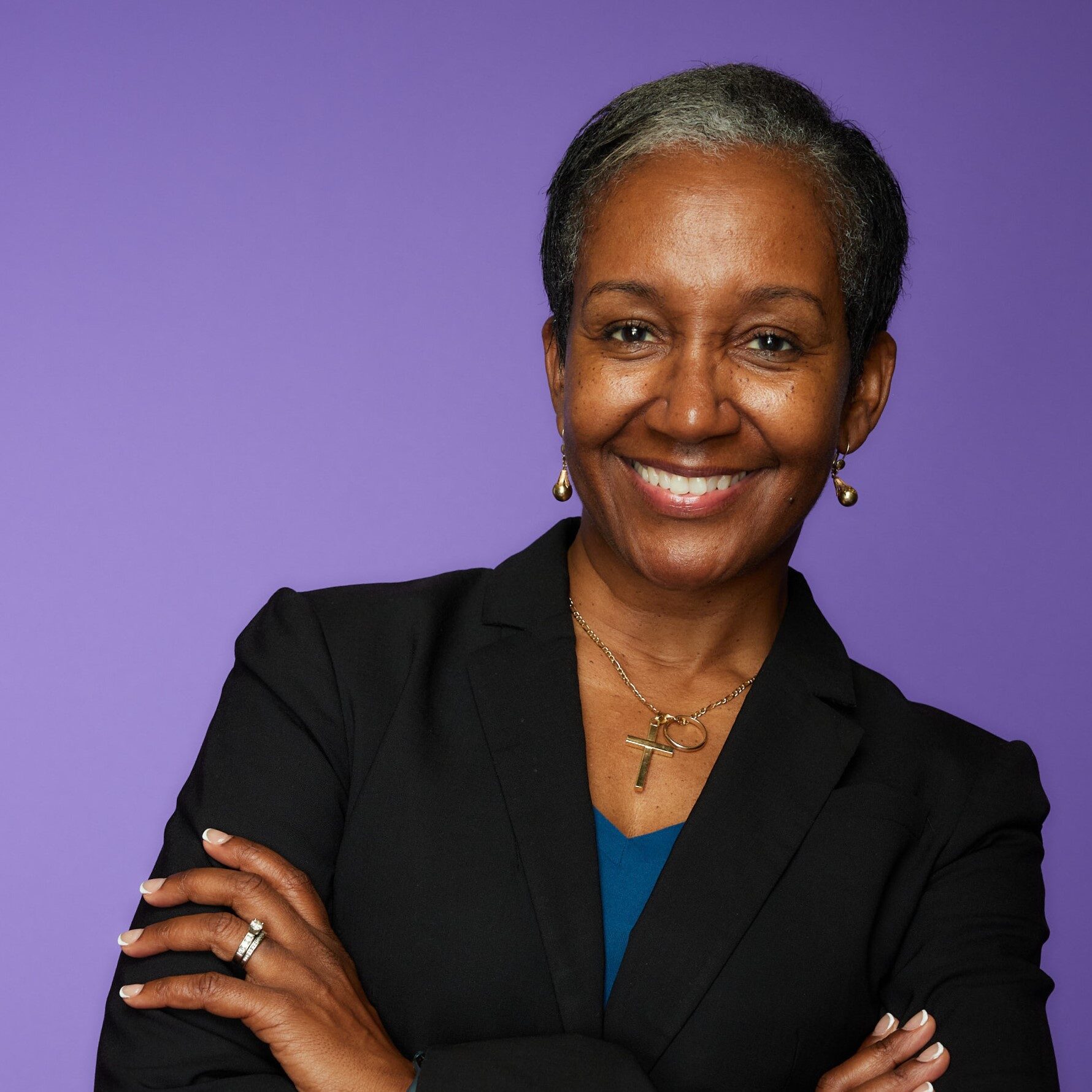
Pastor Yolanda Yvette Frierson
Pastor/Co-Founder, The Way Ministries – Without Walls
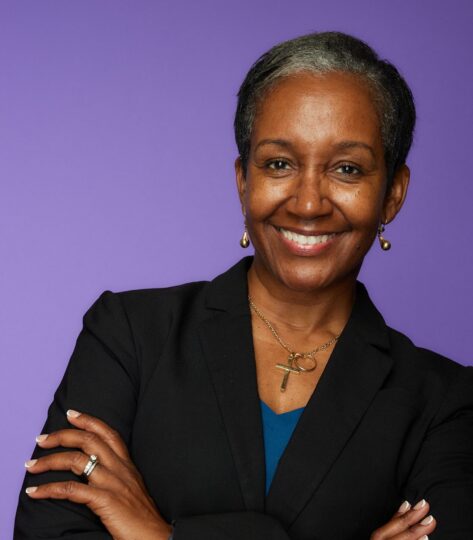
VOICES of Black Women is important to me because our health experiences, our stories, and our voices deserve to be heard and represented in research that can help save lives. If sharing my voice can help another woman, another family, or the next generation experience a better health outcome, then I consider it both a responsibility and a privilege to speak.
Pastor Yolanda Yvette Frierson is a healthcare executive with more than 39 years of experience in the medical field, including leadership in operations, administration, staffing, compliance, revenue cycle management, and community engagement. She serves as Founder and CEO of SAJJ’s Purpose, Inc., a 501(c)(3) nonprofit committed to strengthening communities through volunteerism, health education, intergenerational engagement, and support for causes that improve lives. She is also Pastor and Co-Founder of The Way Ministries – Without Walls, where she serves through prayer, teaching, encouragement, and community-centered ministry. Across healthcare, nonprofit service, and ministry, her work reflects a lifelong commitment to helping individuals and communities live with greater dignity, knowledge, hope, and purpose. Her work across healthcare, nonprofit leadership, and ministry is grounded in service, advocacy, and a deep commitment to strengthening people, families, and communities.
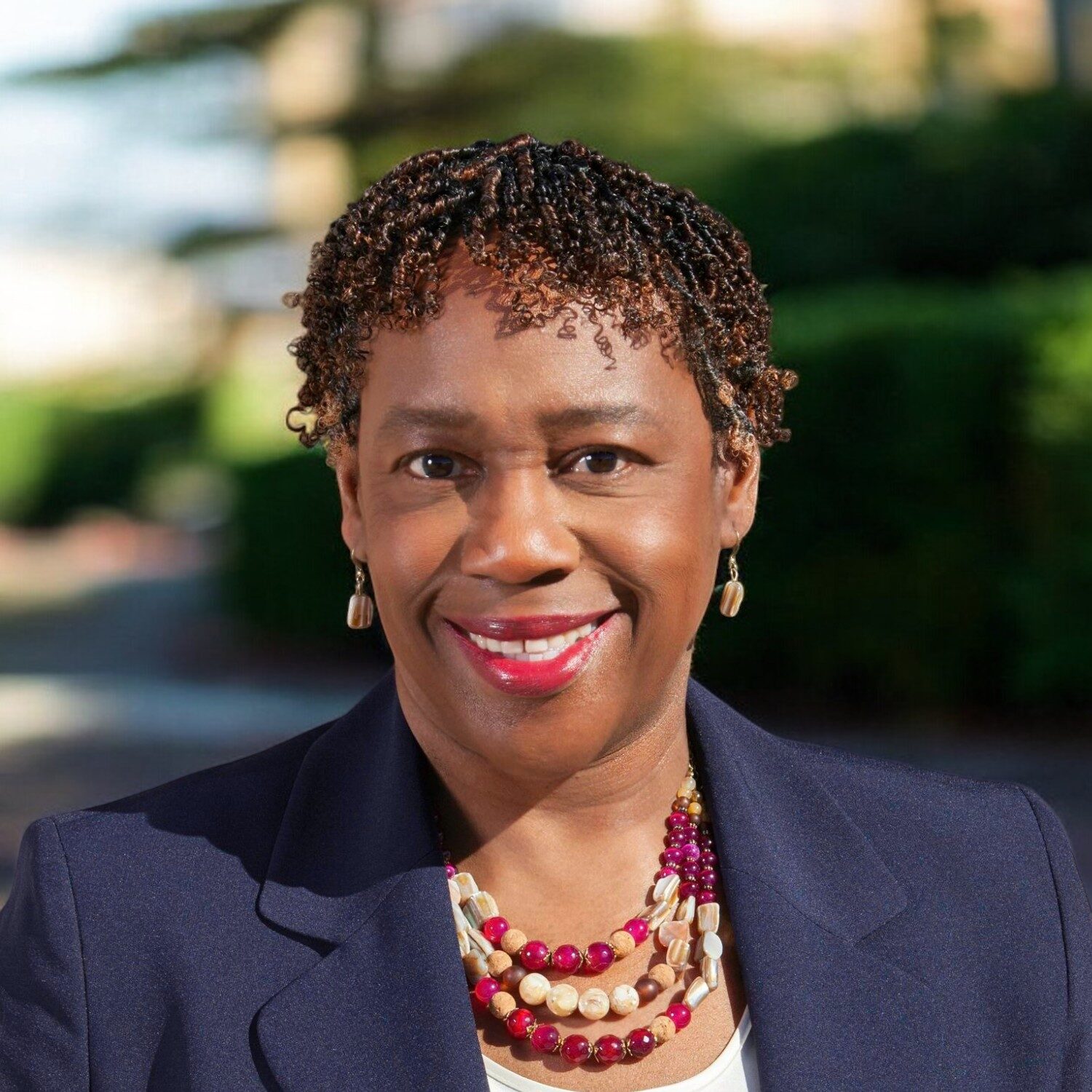
Corliss Heath, PhD, MPH, MDiv
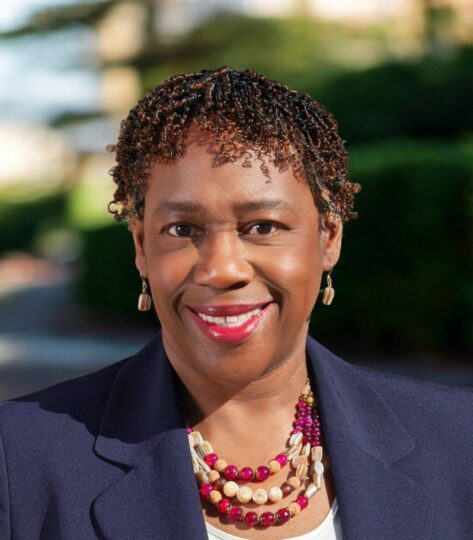
As a medical anthropologist and public health practitioner whose work centers on the lived experiences and health outcomes of Black women, I deeply value the mission and significance of the VOICES of Black Women study. It is important to me that Black women’s voices, experiences, and knowledge are centered in research that seeks to understand and improve our health and well-being.
Dr. Corliss D. Heath is a Biocultural Medical Anthropologist and public health practitioner with more than 30 years of experience in public health and scientific research across academic, healthcare, nonprofit, and government settings. She serves as a Health Scientist with the Health Resources and Services Administration’s HIV/AIDS Bureau and is the Founder and CEO of SAVE, Inc. (Shaping A Vision through Empowerment), a nonprofit dedicated to education, technical assistance, and community capacity building. An Itinerant Elder in the African Methodist Episcopal Church, Dr. Heath serves as Minister of Women at Saint Paul AME Church in Covington, Georgia, and as HIV/AIDS Ministry Director for the AME Church International Health Commission. Her work bridges public health, culture, faith, and community engagement to improve health outcomes and empower communities.
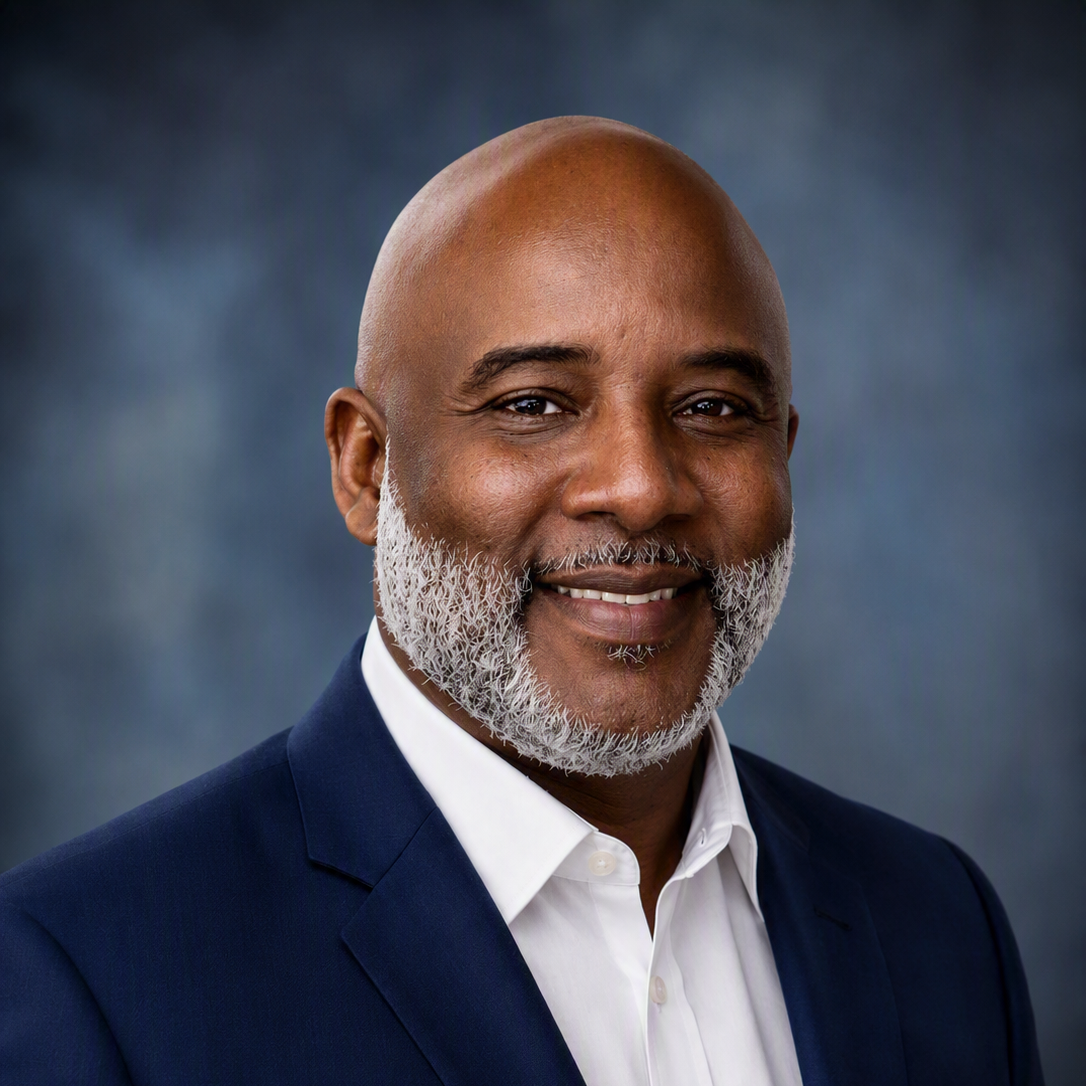
Jeff Ross
I lost my mother just 29 days after her cancer diagnosis. I am a voice for Black women because every mother deserves a better chance, and I am committed to fighting cancer and helping save as many mothers as possible.
Jeff Ross is a senior community engagement leader with Atrium Health, where he oversees strategic partnerships and health initiatives across multiple North Carolina communities. Drawing on four decades of experience with the organization, Ross has built a distinguished career focused on fostering cross-sector collaboration, advancing health equity, and strengthening community impact through innovative engagement strategies and trusted stakeholder relationships. Jeff is a longtime American Cancer Society volunteer and national leader who has shared his story across the United States and internationally in support of the fight against cancer. He has served in numerous leadership roles, including Chair of the American Cancer Society NC/SC Board of Directors, was inducted into the American Cancer Society Relay For Life Hall of Fame, and received the Society’s prestigious St. George Award for distinguished volunteer service.
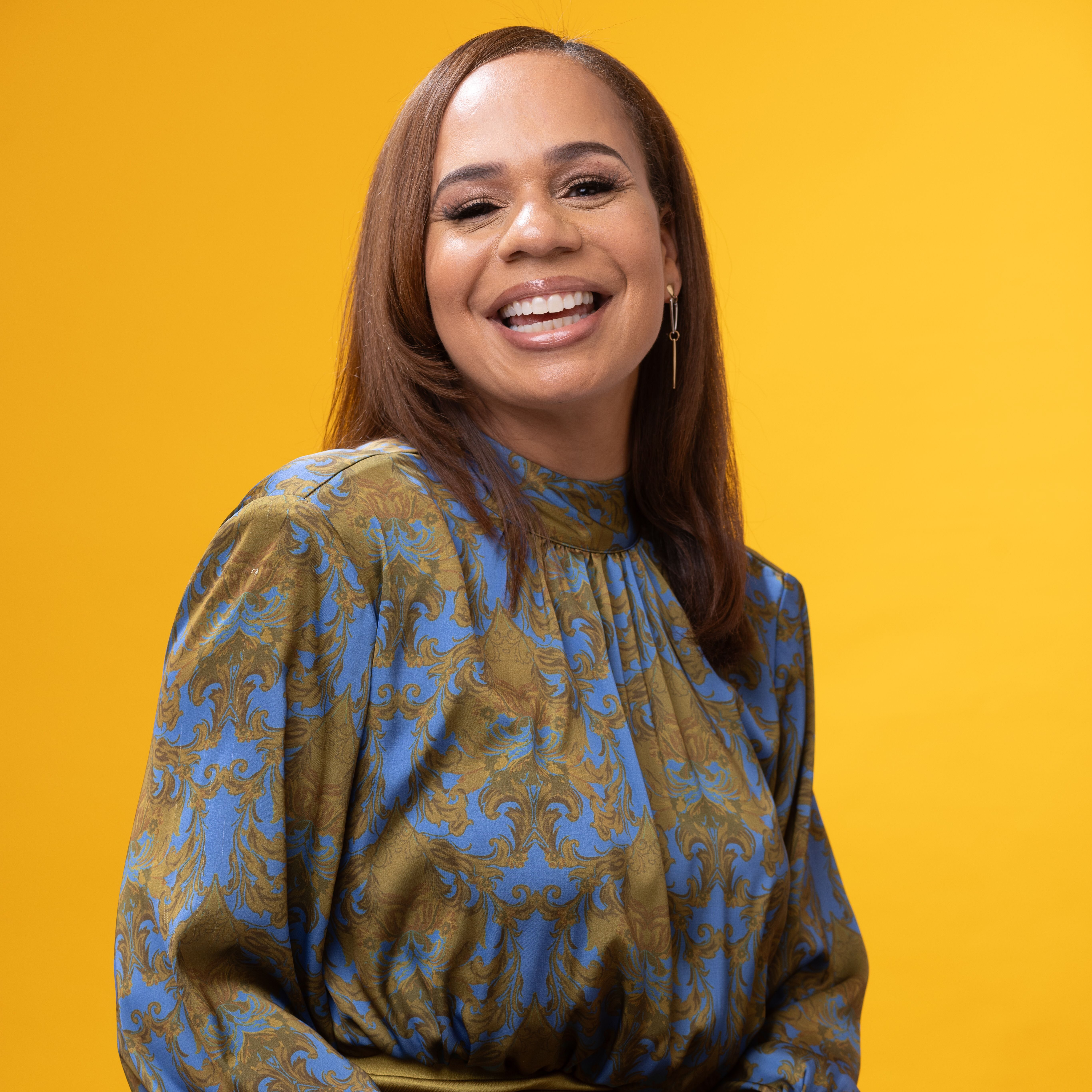
Liza Marie Swedarskey, MD
Founder, Health Vows LLC & Embracing Black Initiative
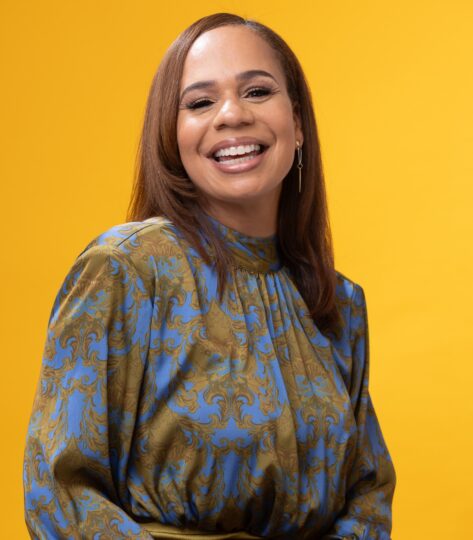
VOICES is important to me because Black women deserve to live long, healthy, cancer-free lives, be heard, believed, represented, and included in the research that shapes our health and our future. We must find the causes to prevent, and to do that, Black women’s lived experiences must be centered. I am honored to help amplify the voices and lived experiences of Black women so that together we can create healthier communities and a more equitable future.
Dr. Liza Marie Swedarsky is a board-certified gynecologist, minimally invasive surgeon with more than two decades of experience caring for women in Boston’s communities. She is deeply committed to addressing health inequities and advancing holistic approaches to Black women’s health and well-being. Dr. Swedarsky is the founder of Health Vows LLC and the Embracing Black Initiative, which create opportunities for education, healing, connection, spiritual practice, and collective wellness. Her work centers on empowering Black women to advocate for their health while transforming the systems and conditions that shape health outcomes.
Dominique Woods, MD, MPH
VOICES matters to me because Black women’s health has been under-studied and under-prioritized for far too long, and meaningful change begins with research that treats participants as partners rather than subjects. This study has the power to reshape what equitable cancer research and care look like for generations to come.
Dr. Dominique Woods is a non-profit executive and public health advocate whose work bridges clinical medicine, health equity, and community impact. She serves as Vice Chairwoman, President and Chief Executive Officer of the Limitless Impact Foundation and President-Elect of the Association of Black Women Physicians, where she leads initiatives that expand health education, advocacy, and access for historically underserved communities. Her career reflects a sustained commitment to equitable, community-centered research and to ensuring that underrepresented voices help shape the science that affects their lives.